Metal Components
Specialized Metal Materials
Properties of Tungsten
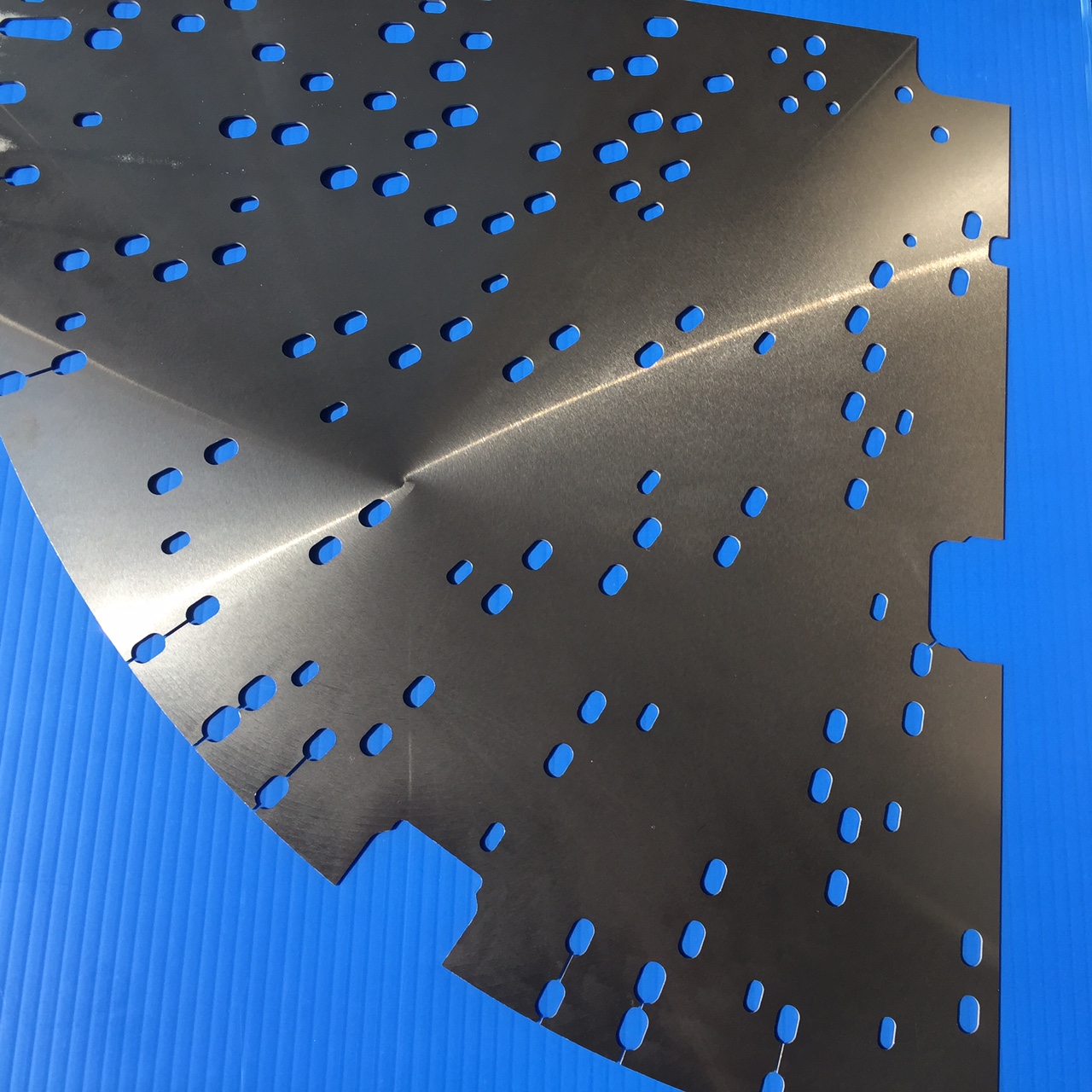
Pure tungsten is a hard metal with a steel-gray to tin-white appearance. It is generally brittle and difficult to machine; however, it can maintain excellent hardness while retaining ductility and machinability under appropriate processing conditions. Tungsten can be processed through methods such as forging, drawing, and impact forming.
Among all metals, tungsten has the highest melting point (3387°C) and the highest strength.
It features a low coefficient of thermal expansion, a high melting point, and excellent tensile strength.
Tungsten products include X-ray tubes, light bulbs, high-speed cutting tools, welding rods, turbine blades, golf clubs, darts, fishing hammers, gyroscopes, phonograph styluses, bullets, and armor-piercing projectiles.
Tungsten compounds have many uses. Sintered tungsten carbide is a hard material used in the manufacture of grinding wheels, cutting or shaping tools. Other tungsten compounds can be used as ceramic pigments, or as fire-retardant coatings and color-resistant dyes for fabrics.
Among all metals, tungsten has the highest melting point (3387°C) and the highest strength.
It features a low coefficient of thermal expansion, a high melting point, and excellent tensile strength.
Tungsten products include X-ray tubes, light bulbs, high-speed cutting tools, welding rods, turbine blades, golf clubs, darts, fishing hammers, gyroscopes, phonograph styluses, bullets, and armor-piercing projectiles.
Tungsten compounds have many uses. Sintered tungsten carbide is a hard material used in the manufacture of grinding wheels, cutting or shaping tools. Other tungsten compounds can be used as ceramic pigments, or as fire-retardant coatings and color-resistant dyes for fabrics.
| Properties of tungsten | |
| Density | 19.35 g /cm-3 |
| Hardness | 7.5Mohs |
| Tensile Strength | 700-1000(MPa) |
| Electrical Resistivity | 5.5×10⁻⁸ |
| Coefficient of Linear Thermal Expansion | 4.3(1/℃)×10⁻⁶(0~100℃) |
| Thermal Conductivity | 173 w/m.k |
| Melting Point | 3387℃ |
| Boiling Point | 5527℃ |