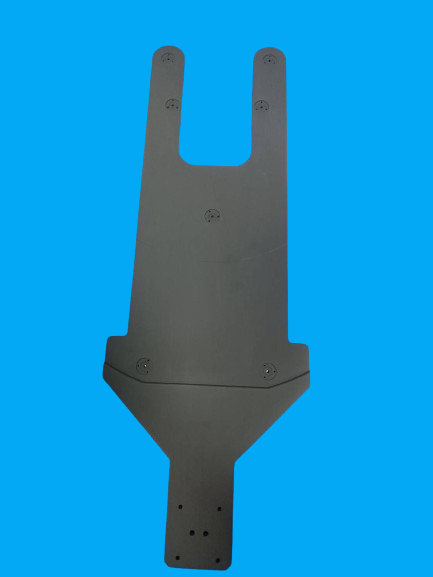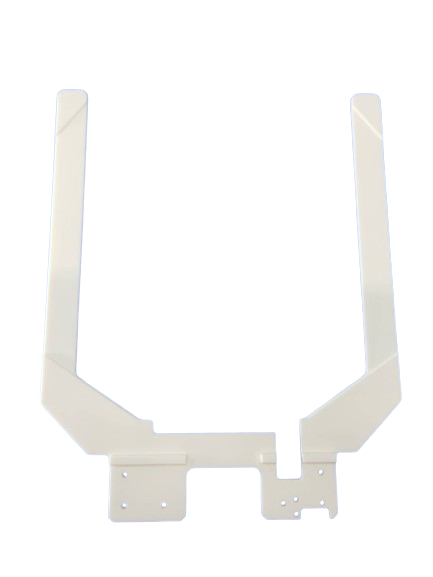
Non-Metallic Components
Ceramics
Alumina
Aluminum oxide has long been used in the electronics industry due to its excellent electrical insulation properties.
In addition, aluminum oxide combines excellent corrosion resistance, wear resistance, and mechanical strength, making it widely used in industrial machinery components. It is also the most widely used material in the field of advanced ceramics.
The material features high electrical insulation and low thermal conductivity. Its electrical conductivity can be enhanced through surface coating, providing effective antistatic performance.
| Properties of Alumina Ceramics | ||||||||||
| Properties / Method | Unit | PEC94 | PEC96 | PEC995 | PEC998 | |||||
| Composition | Weight % | 96% Al2 O3 |
99.5% Al2 O3 |
99.8% Al2 O3 |
||||||
| Process | -- - | Sintered | Sintered | Sintered | ||||||
| Color | -- - | White | White | White | Ivory | |||||
| Density | g/cm3 | 3.69 | 3.71 | 3.9 | 3.92 | |||||
| Flexural Strength / MOR | Mpa | 364 | 372 | 388 | 395 | |||||
| Fracture Toughness, K (IC) / Notched Beam | MPa m 1/2 | 4 | 4 | 5 | 5 | |||||
| Hardness / Knoop 1000g | Kg/mm 2 | 1200 | 1200 | 1450 | 1500 | |||||
| Young's Modulus | GPa | 305 | 305 | 380 | 380 | |||||
| Poisson's Ratio | -- - | 0.21 | 0.21 | 0.22 | 0.22 | |||||
| Average Grain Size | Microns | 10 | 6 | 5 | 4 | |||||
| Max Use Temperature | Degrees °C | 1725 | 1725 | 1725 | 1725 | |||||
| Thermal Shock Resistance, D T | °C | 300 | 300 | 250 | 250 | |||||
| Gas Permeability | atm-cc/sec | None | None | None | None | |||||
| Dielectric Constant | 1 MHz, 25 °C |
9.1 | 9.2 | 9.8 | 10.5 | |||||
| Thermal Expansion Coefficient (25-1000 o C ) | /°C | 7.8 x 10⁻⁶ | 7.8 x 10⁻⁶ | 8.0 x 10⁻⁶ | 8.0 x 10⁻⁶ | |||||
| Thermal Conductivity | W/ m·°K , 20°C | 22.5 22.5 | 24.9 | 29 | 30 | |||||
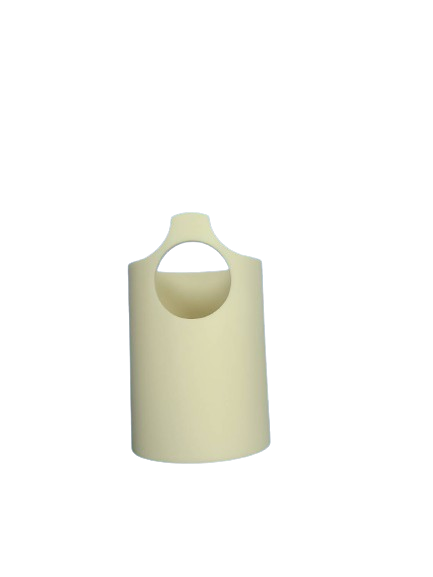
SLEEVE,
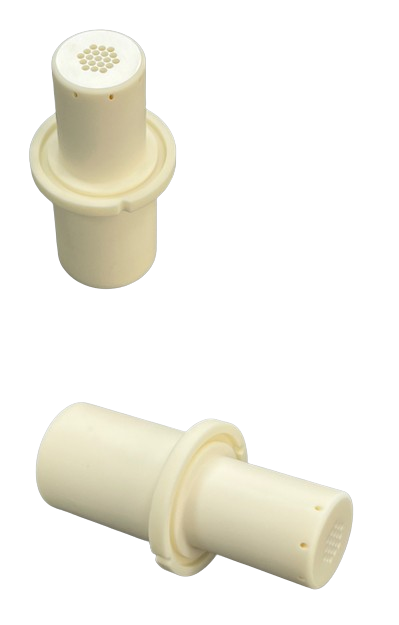
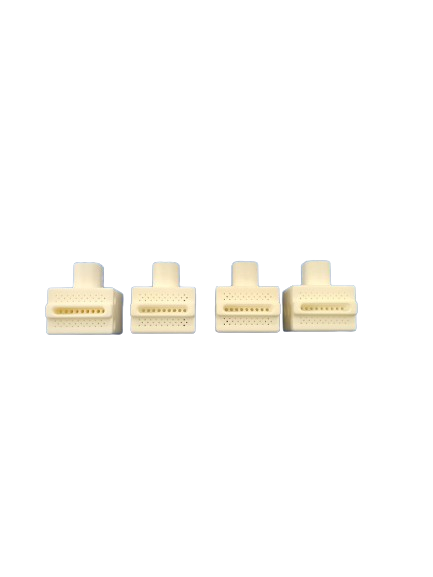
Gas injector
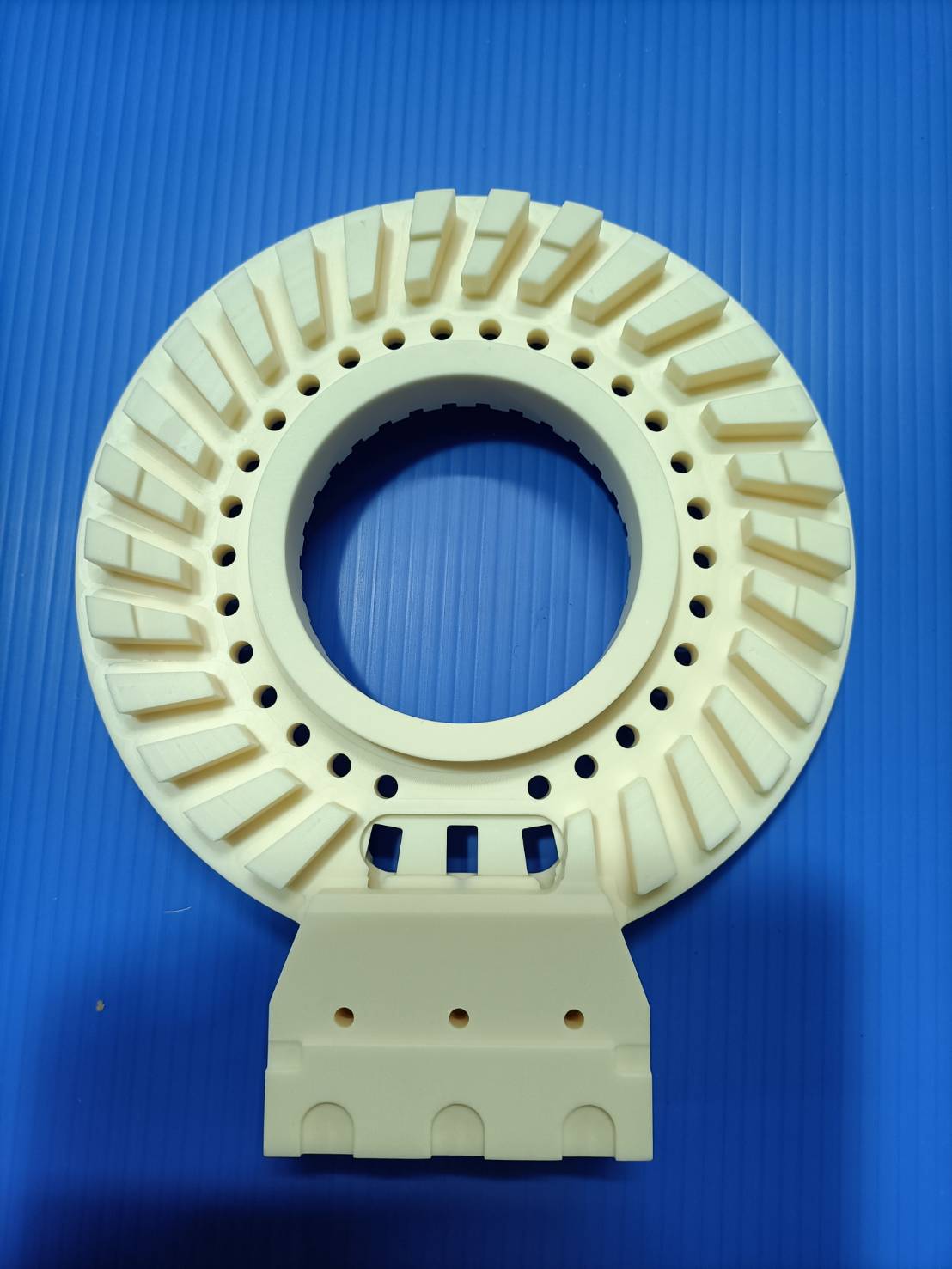
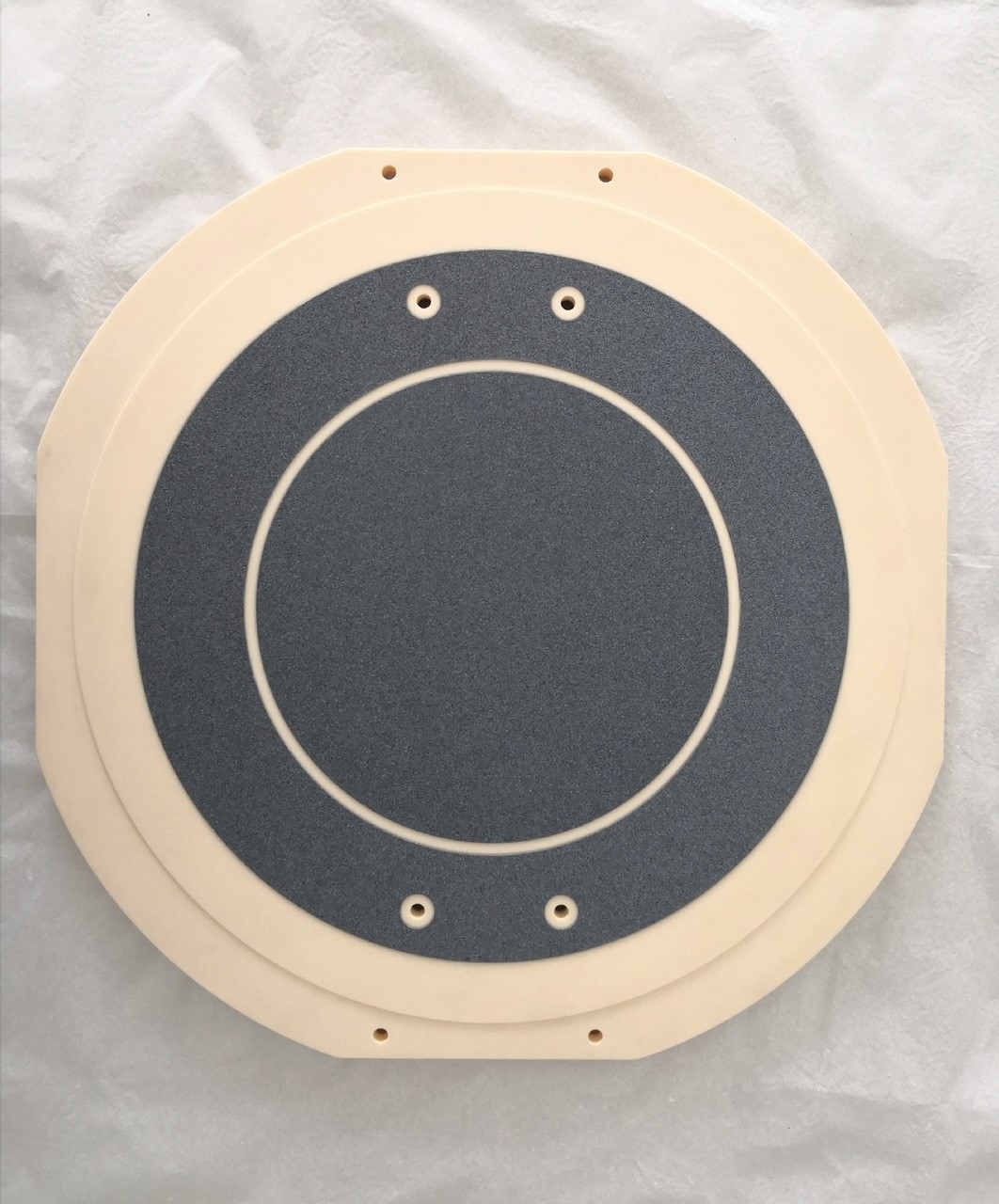
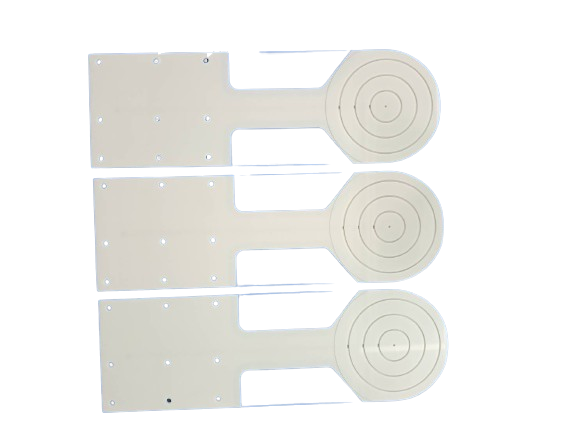
研磨盤