Non-Metallic Components
Ceramics
Silicon Carbide, SiC
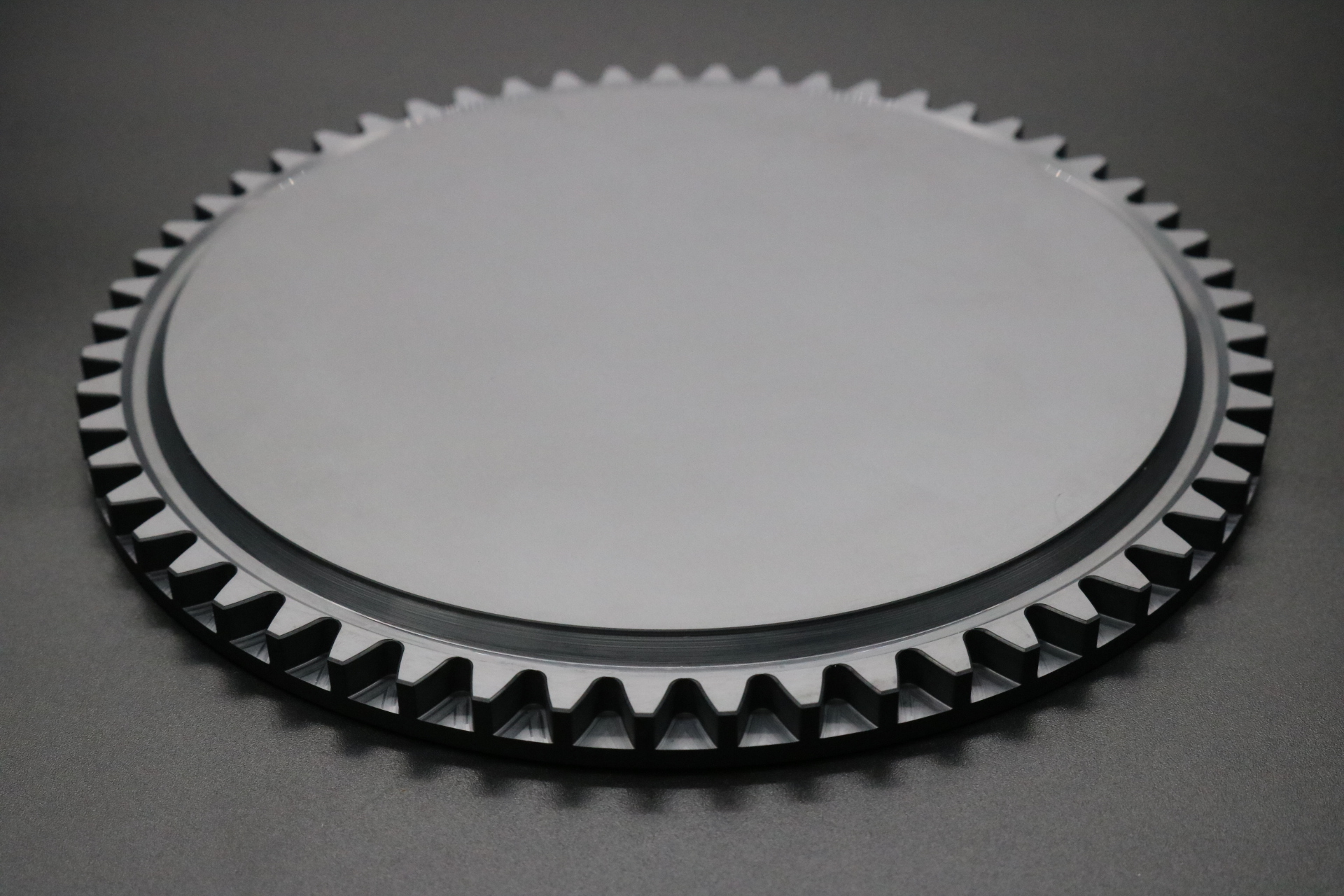
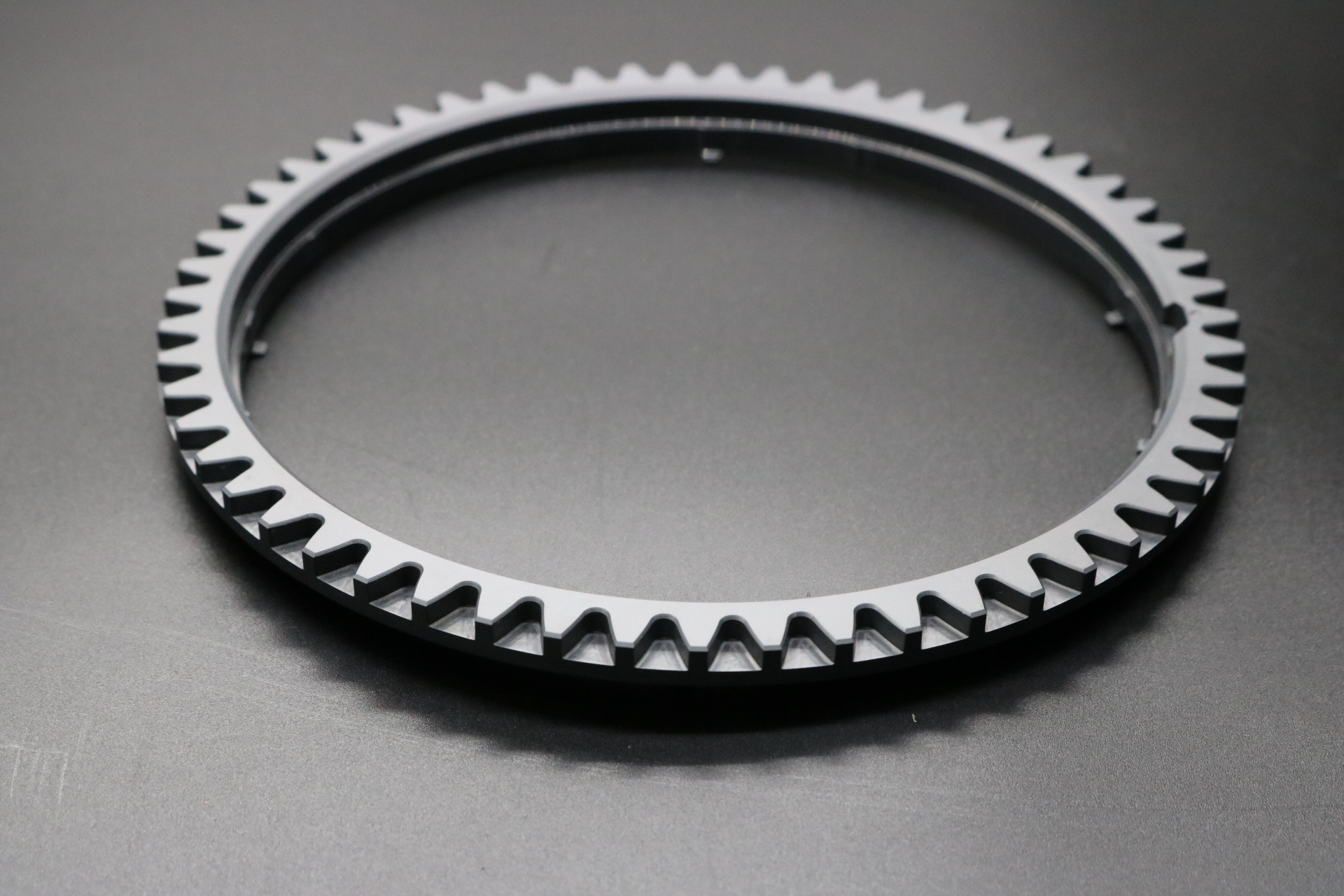
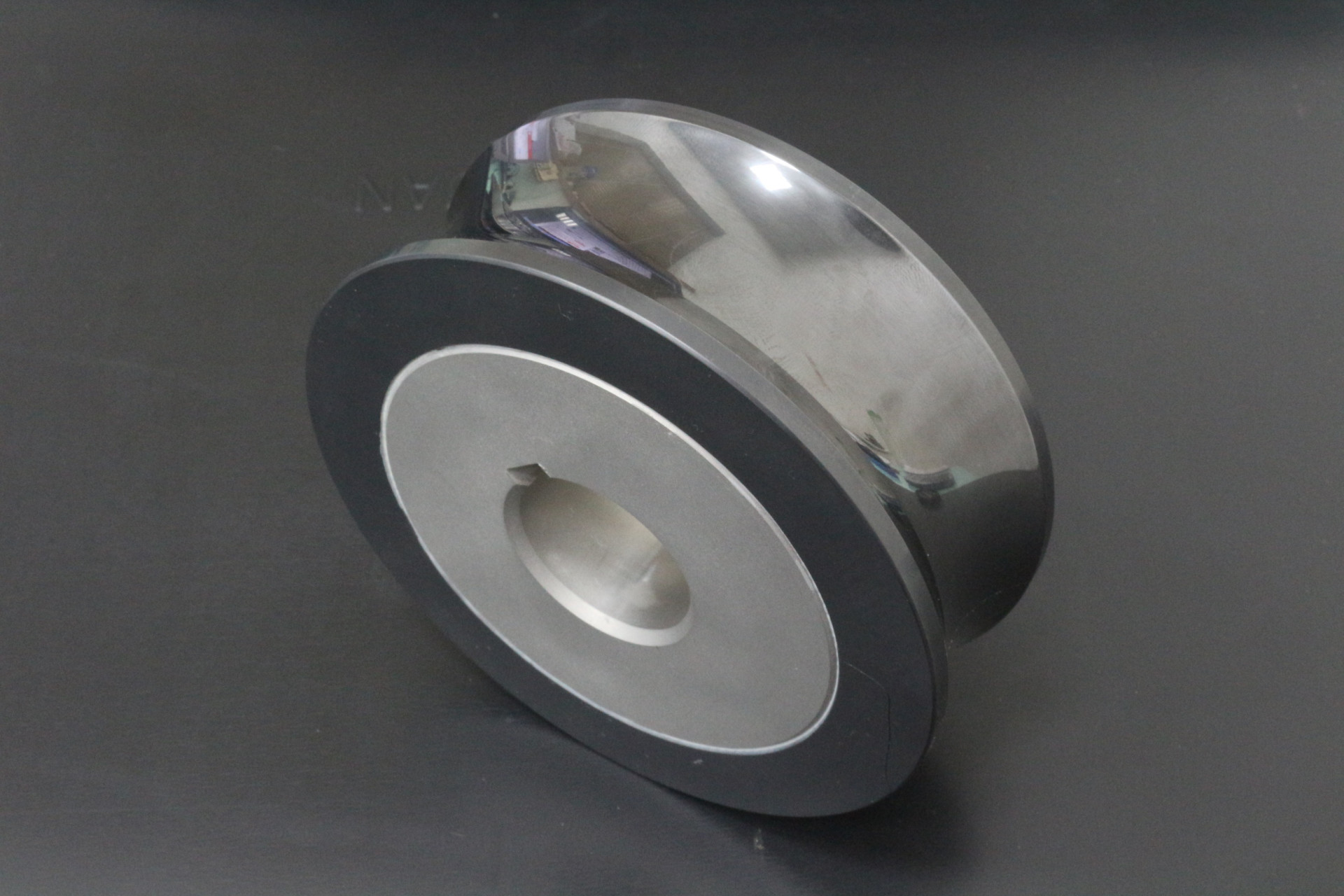
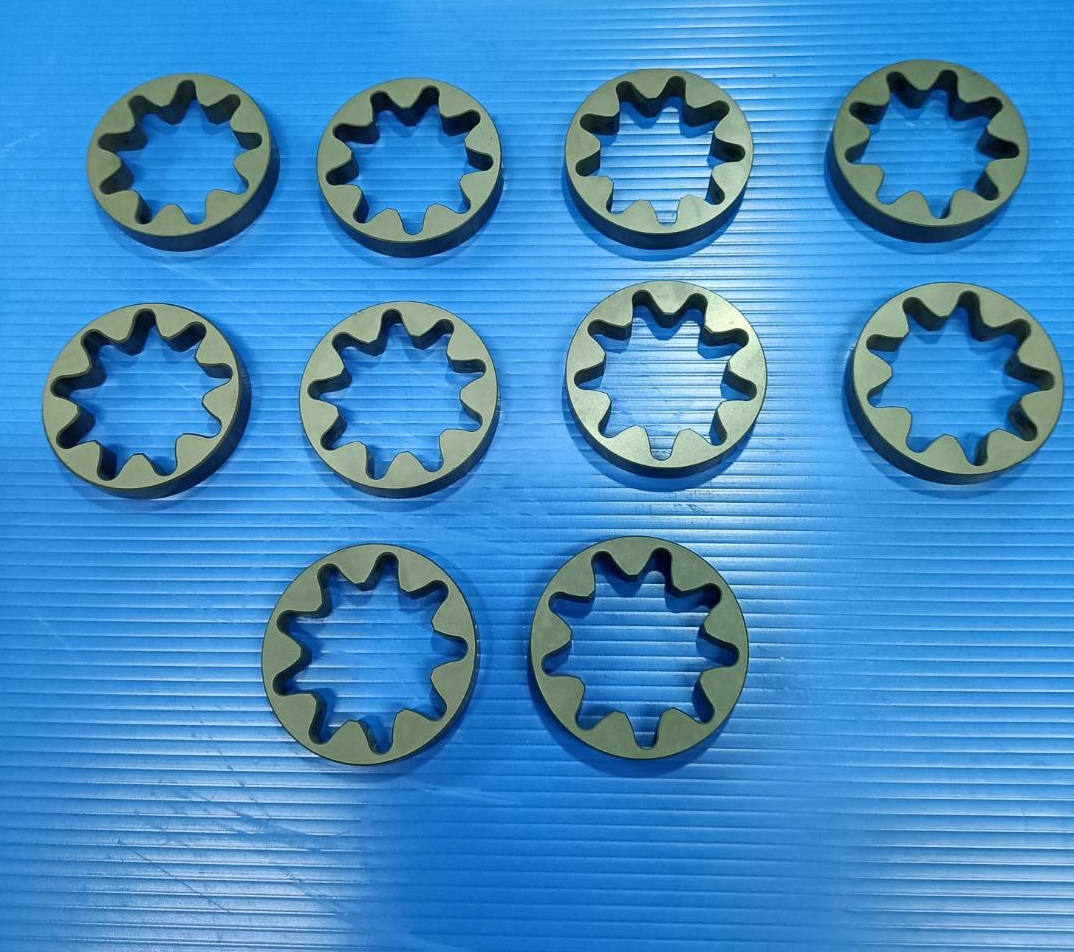
Silicon Carbide, SiC is a compound composed of silicon and carbon elements, featuring extremely high hardness and excellent thermal conductivity. It is widely used as a semiconductor material, particularly in high-temperature, high-voltage, and high-frequency electronic devices.
High Hardness:Silicon carbide (SiC) has a hardness second only to diamond, making it ideal for applications requiring excellent wear resistance. It is widely used in the manufacturing of cutting tools and abrasive materials.
Excellent Thermal Conductivity:Silicon carbide (SiC) offers excellent thermal conductivity and efficient heat dissipation, making it highly valuable for high-temperature applications. In particular, SiC improves the overall efficiency and stability of systems used in electric vehicles and renewable energy equipment.
High Voltage Resistance:Silicon carbide (SiC) can withstand high voltages with low power losses, providing significant advantages in power electronic devices. Compared with conventional silicon materials, SiC offers higher switching efficiency, reducing energy consumption and improving overall performance.
Excellent Chemical Stability:Silicon carbide (SiC) exhibits excellent chemical stability in harsh environments, offering strong resistance to acids, alkalis, and oxidation corrosion. This allows SiC to maintain stable performance under extreme conditions, making it suitable for applications in aerospace, chemical processing, and other demanding industries.
High Hardness:Silicon carbide (SiC) has a hardness second only to diamond, making it ideal for applications requiring excellent wear resistance. It is widely used in the manufacturing of cutting tools and abrasive materials.
Excellent Thermal Conductivity:Silicon carbide (SiC) offers excellent thermal conductivity and efficient heat dissipation, making it highly valuable for high-temperature applications. In particular, SiC improves the overall efficiency and stability of systems used in electric vehicles and renewable energy equipment.
High Voltage Resistance:Silicon carbide (SiC) can withstand high voltages with low power losses, providing significant advantages in power electronic devices. Compared with conventional silicon materials, SiC offers higher switching efficiency, reducing energy consumption and improving overall performance.
Excellent Chemical Stability:Silicon carbide (SiC) exhibits excellent chemical stability in harsh environments, offering strong resistance to acids, alkalis, and oxidation corrosion. This allows SiC to maintain stable performance under extreme conditions, making it suitable for applications in aerospace, chemical processing, and other demanding industries.